Aliyah: A Bold, Organic Script Font for Handmade Creators
There’s that quiet moment—just before printing—when you zoom in on your candle label mockup and hold your breath. You’ve chosen the scent, the vessel, the wax blend… now it’s time for the name. Not just any name. The one that feels like warmth, intention, and handmade care all at once. That’s when Aliyah landed in my design folder—and changed how I think about script fonts forever.
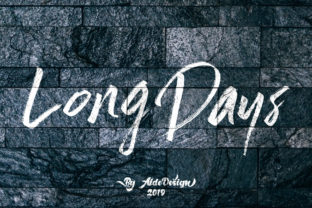
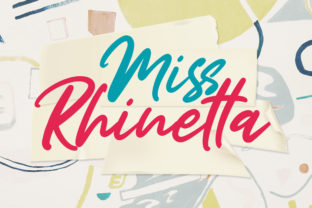
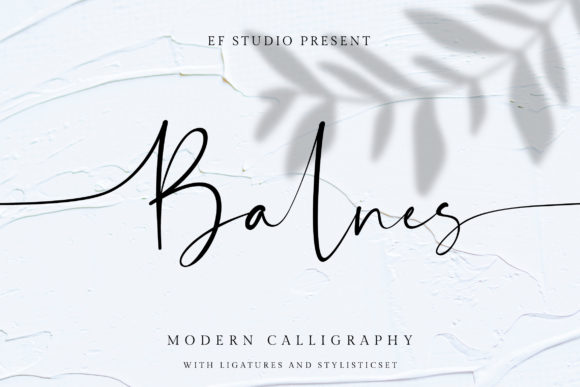
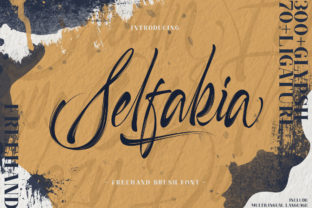
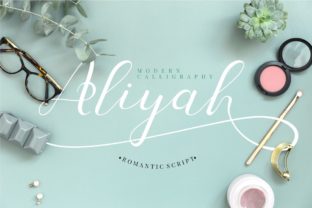
Aliyah isn’t just another elegant script. It’s a Script Amp font with real presence: bold enough to command attention on a boutique tag or mug, yet soft and organic in its flow—like ink pulled slowly across handmade paper. Its curves breathe. Its terminals taper with gentle confidence. There’s a subtle asymmetry in the letterforms that makes it feel human—not digitized, not stiff, not overly polished. It’s the kind of script that invites touch, even on screen.
I first used Aliyah on a set of linen-wrapped wedding invitation suites. The couple loved rustic elegance but wanted something fresh—not traditional calligraphy, not trendy minimalist sans. Aliyah struck that balance perfectly: romantic but grounded, decorative but legible, distinctive without shouting. I paired it with a clean, airy sans serif (think Montserrat Light or Poppins Regular) for body text and details—letting Aliyah shine as the hero: “Emma & James,” “Saturday, October 12th,” “Join us beneath the oak trees.” The contrast felt intentional, not accidental. That’s the magic of thoughtful font pairing: Aliyah brings soul; the sans brings clarity.
For physical products, Aliyah works beautifully at medium to large sizes—think 24pt+ on greeting cards, 36pt+ on tote bag prints, or 48pt+ on farmhouse-style wall signs. Its generous x-height and open counters keep it readable even when printed on textured kraft paper or heat-pressed onto cotton canvas. On smaller applications—like 8mm sticker labels or mini gift tags—I stick to short phrases: a single name, “Hand-poured,” “Made with Love,” or “Small Batch.” It’s not built for long paragraphs, and that’s okay. Aliyah is a display font, meant to evoke feeling, not ferry information.
When cutting with Cricut or Silhouette, I always test a few letters first—especially swashes and connected glyphs. Aliyah includes thoughtful alternates and ligatures (check your font menu for stylistic sets!), and some versions offer extended swash capitals perfect for monogrammed planner covers or boutique packaging. For vinyl decals or iron-on transfers, I avoid ultra-thin terminal strokes on very small sizes—opting instead for the standard weight or bold variant if available. Always convert to outlines before sending to your cutter, and double-check spacing in your design software: some script fonts need manual kerning love.
As a printable creator, I’ve used Aliyah across digital downloads with consistent results. It adds instant charm to planner undated pages (“Monthly Intentions”), printable wall art (“Breathe Deeply”), and seasonal templates (a cozy “Gather Around” for fall sign bundles). Because it’s a premium script font, customers notice the difference—it signals care in craft, not just convenience in design. And yes, it holds up beautifully in listing previews on Etsy or social media graphics: crisp at thumbnail size, expressive at full width.
It’s also become my go-to for packaging accents. A simple kraft box gets elevated with an Aliyah-stamped “Thank You” tag tied with twine. A clear apothecary jar of bath salts gains personality with a small Aliyah label beside the ingredient list. Even digital shop branding—like email headers or Instagram story highlights—feels more cohesive when Aliyah anchors key words alongside a friendly sans serif body font.
Before using Aliyah commercially—whether on mugs, shirts, SVG files, or editable Canva templates—I always review the license. Most Script Amp fonts include full commercial rights, but it’s wise to confirm file formats (OTF, TTF, WOFF), multilingual support (if you serve global buyers), and whether web use or app embedding is covered. Some versions include bonus extras like dingbats, flourishes, or matching lowercase alternates—great for adding custom flair to wedding stationery or boutique thank-you cards.
What surprised me most? How often customers comment—not on the font by name, but on the *feeling* it gives. “So warm.” “Feels like it was written just for us.” “Exactly the vibe we wanted.” That’s the power of intentional typography. Aliyah doesn’t just say “handmade”—it *feels* handmade.
It’s equally at home on spring-themed stickers (“Hello, Sunshine!”), summer picnic napkin prints, holiday gift tags (“To My Favorite Person”), or minimalist wedding welcome boards. I’ve even used it sparingly in logo design for small studios—always as a secondary wordmark or accent, never stretched thin across multiple applications. Its strength lies in focus, not flexibility.
If you’re choosing fonts for your next product launch or seasonal refresh, ask yourself: Does it reflect the heart behind what you make? Does it elevate—not distract—from your materials, colors, and craftsmanship? Aliyah does both. It’s bold without being brash, beautiful without being fussy, and deeply human in every curve.
Whether you’re printing 50 candle labels or designing a 100-page printable planner bundle, Aliyah reminds you that typography is part of your product’s texture—the quiet detail that makes someone pause, smile, and reach for the “Add to Cart” button. Not because it’s trendy—but because it feels true.
And that’s the kind of typeface worth keeping in your core design toolkit.